

Embracing Flexibility: Why Adapting Beats Rigidity for Better Mental Health and Success
Bend It Like a Beckham (But for Your Brain): How Ditching Rigid Rules Keeps You Sane, Successful, and Slightly Less Stressed Out

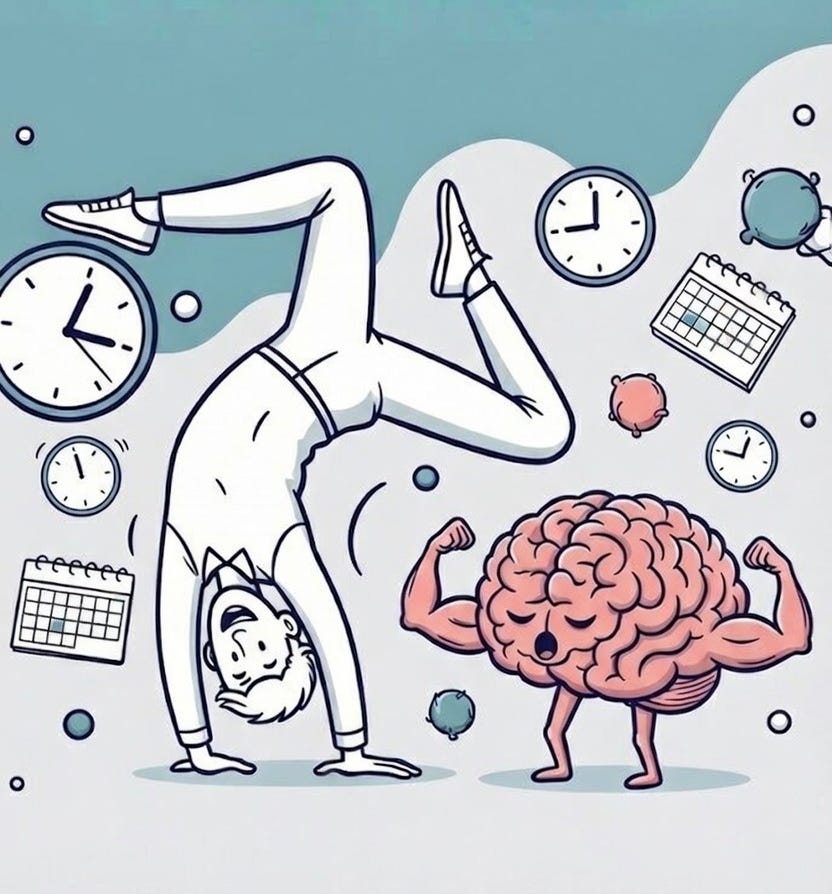
In a world obsessed with routines, habits, and productivity hacks, it’s easy to fall into the trap of thinking that strict rules are the key to success. But what if I told you that the real secret lies in knowing when to break those rules? According to emerging research and insights from experts, people who adapt their approach based on circumstances—rather than clinging to rigid plans—experience significantly better mental health, job performance, and overall well-being. It’s not about ditching structure altogether; it’s about being smart enough to pivot when life throws curveballs.
The Wisdom in Shifting Gears
Jon Goodman captures this beautifully in his new book, Unhinged Habits: “There are times when structure serves behavior, and other times when spontaneity is better. The magic lies not in choosing one over the other but in understanding when to shift gears. Structure creates the container that makes meaningful spontaneity possible. Spontaneity provides the raw material that makes structured seasons productive.”
This isn’t just poetic advice—it’s backed by science. Researchers recently dove into 151 studies examining “psychological inflexibility,” which is essentially the tendency to stick rigidly to plans no matter what the context demands. The findings? Inflexibility consistently correlates with a decrease in well-being. People with more rigid mindsets report worse outcomes across the board: poorer mental health, lower job satisfaction, and diminished quality of daily life. It’s like trying to force a square peg into a round hole—eventually, something breaks, and it’s usually your spirit.
Earlier studies echo these results, highlighting the power of psychological flexibility. Defined as the ability to shift mental resources and balance competing demands, this trait has been linked to superior job performance, stronger mental resilience, and even higher pain tolerance. Flexible thinkers don’t just survive; they thrive because they’re equipped to handle the unpredictability of real life.
Why Rigidity Often Backfires
Life rarely follows our neatly outlined plans. Traffic jams derail your morning routine, unexpected work emergencies throw off your schedule, or a global pandemic upends everything (remember 2020?). When you’re locked into an all-or-nothing mindset—”perfect or bust”—these disruptions can lead to total derailment. Miss one workout? Skip an unplanned meal? Rigid thinkers often spiral into guilt, frustration, and eventually, giving up altogether.
Flexible people, on the other hand, adjust on the fly. They recognize that fighting reality is a losing battle. Instead of beating themselves up over a missed gym session, they might opt for a quick walk or bodyweight exercises at home. At work, they pivot from a derailed project plan to a more feasible alternative without losing momentum. This adaptability doesn’t just preserve progress; it builds momentum and reduces stress.
But let’s be clear: this isn’t an excuse to abandon structure. Habits and routines are powerful tools—they provide stability and help us achieve long-term goals. The key is using structure when it serves you and letting it go when circumstances change. Think of it as a toolkit: sometimes you need the hammer of discipline, other times the screwdriver of improvisation.
Training Your Flexible Mindset
If you’re someone who defaults to rigidity, the good news is that flexibility is a skill you can cultivate. Start small. The next time you miss your “ideal” behavior—whether it’s a skipped meditation session or an off-plan snack—don’t wait for a fresh start like Monday morning. Instead, pause and ask yourself: “What can I do right now?” This simple question shifts your focus from perfection to progress, turning potential setbacks into opportunities.
It might sound cliché, but it’s true: progress doesn’t require perfection. It requires knowing when to hold tight to your plans and when to let go. By embracing this balance, you’ll not only boost your mental health and performance but also enjoy a more fulfilling life.
If you’re intrigued and want to dive deeper, check out Jon Goodman’s Unhinged Habits here. It might just be the nudge you need to unhinge your own rigid habits and step into a more adaptable, vibrant way of living.